

Pinoy Business Board Vancouver

Search
Close this search box.

LNG expansion could bring 200 more tankers a year to B.C.’s West Coast, report says | The scientists who popularized carbon capture have a warning about it

LNG expansion could bring 200 more tankers a year to B.C.s West Coast, report says The scientists who popularized carbon capture have a warning about it

Recent reports and scientific findings highlight the urgent climate challenges facing British Columbia, Canada, and the world. One of the pressing issues is the potential expansion of liquefied natural gas (LNG) operations along B.C.’s West Coast. Analysts warn that this growth could bring as many as 200 additional LNG tankers annually to the region’s already busy waters, raising concerns about environmental risks, marine traffic, and the cumulative impacts of fossil fuel dependence. While proponents cite economic benefits and energy security, environmental groups stress that such expansion contradicts Canada’s climate commitments and intensifies the risk of spills and habitat disruption along the fragile coastline.

Meanwhile, electric vehicle (EV) adoption in Metro Vancouver faces hurdles of its own. A recent report highlights a lack of sufficient charging infrastructure as a major barrier, impeding the city’s transition away from gasoline-powered transportation. Without a dense network of reliable and accessible chargers, residents remain hesitant to invest in EVs, slowing progress toward emissions reduction targets. Policymakers and industry leaders are increasingly pressed to expand public and private charging networks to meet growing demand and support sustainable mobility.

On the technological front, the scientists who helped popularize carbon capture and storage are issuing a cautionary note. While carbon capture remains a potentially valuable tool for reducing industrial emissions, it is not a silver bullet for climate change. Experts emphasize that overreliance on unproven large-scale carbon removal could undermine urgent mitigation efforts, such as reducing fossil fuel consumption and transitioning to renewable energy. They caution that carbon capture should complement, not replace, aggressive emissions cuts.

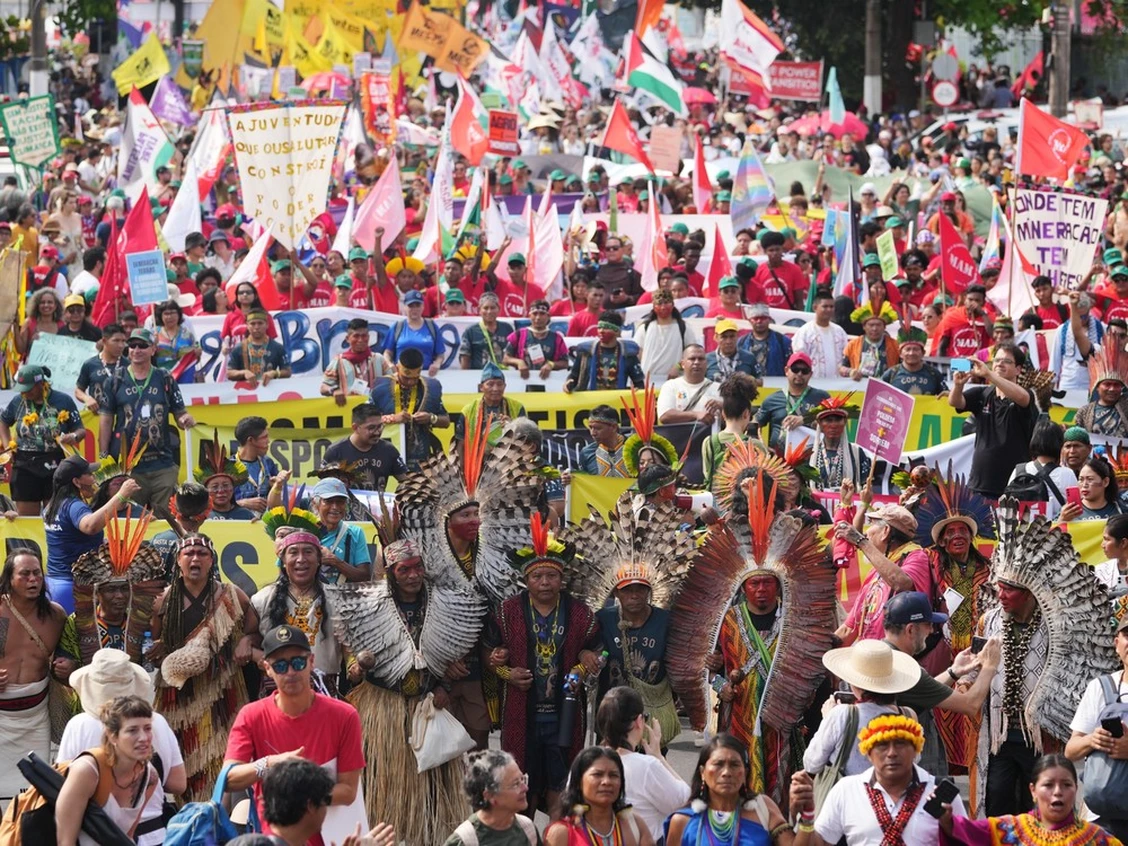
Global climate policy continues to be influenced by entrenched interests. At COP30 in Brazil, oil and gas lobbyists reportedly outnumbered official delegates, highlighting the persistent tension between economic lobbying and the urgent need for climate action. This imbalance underscores the challenge of achieving meaningful international agreements to curb greenhouse gas emissions.

At the core of these issues is the science: human activities such as burning fossil fuels and farming livestock remain the primary drivers of climate change, according to the UN Intergovernmental Panel on Climate Change (IPCC). The panel, which includes researchers from around the world and B.C., has long warned that rising heat-trapping greenhouse gas levels are driving up global temperatures, increasing the frequency and severity of extreme weather events. B.C. has already experienced deadly consequences, including the catastrophic 2021 heat dome and flooding. The IPCC has repeatedly issued a “code red” for humanity, emphasizing that the window to limit warming to 1.5°C above pre-industrial levels is rapidly closing.

Supporting this assessment, NASA scientists report that human activity has raised atmospheric carbon dioxide levels by 50 percent in less than two centuries. Current monitoring at Hawaii’s Mauna Loa Observatory, conducted by NOAA, shows CO2 concentrations of 424.87 parts per million as of November 13, slightly down from 425.48 ppm the previous month. These figures continue a steady rise from under 320 ppm in 1960, demonstrating the persistent acceleration of greenhouse gas accumulation.

Taken together, these developments illustrate the multifaceted nature of the climate crisis. From local infrastructure and energy policy to global emissions governance, the evidence is clear: urgent, coordinated action is needed to prevent increasingly severe environmental and societal consequences.

FEATURED BUSINESS

SEARCH BUSINESSES

Post Views: 3