In climate news this week, several significant developments unfolded across British Columbia, Canada, and the international stage, reflecting the evolving policy, economic, and public health dimensions of the climate crisis.
First, the government of British Columbia announced plans to scrap its requirement that all new light-duty vehicles sold in the province be zero-emission by 2035. The target had aligned with federal objectives and positioned B.C. as a North American leader in electric vehicle adoption. However, provincial officials indicated that market constraints, supply chain pressures, infrastructure readiness, and affordability concerns contributed to the decision to revisit the mandate. The shift marks a notable recalibration of transportation policy, a sector that remains one of the largest sources of greenhouse gas emissions in Canada. Critics argue that loosening the requirement could slow emissions reductions, while supporters contend that a more flexible approach may better reflect current economic and technological realities.
On the global stage, momentum continued to build at COP30 toward establishing a clearer road map away from fossil fuels. Delegates at the United Nations climate summit advanced discussions on timelines and accountability mechanisms tied to commitments first articulated at prior conferences. While divisions remain between fossil fuel–producing nations and those pushing for accelerated phaseouts, negotiations this week focused on translating broad pledges into measurable implementation strategies. Advocates emphasized the need for concrete interim benchmarks, financing tools for developing economies, and stronger reporting standards to ensure progress toward net-zero targets. Observers noted that political pressure is intensifying for countries to move beyond aspirational language and adopt binding frameworks that reshape energy systems over the coming decades.
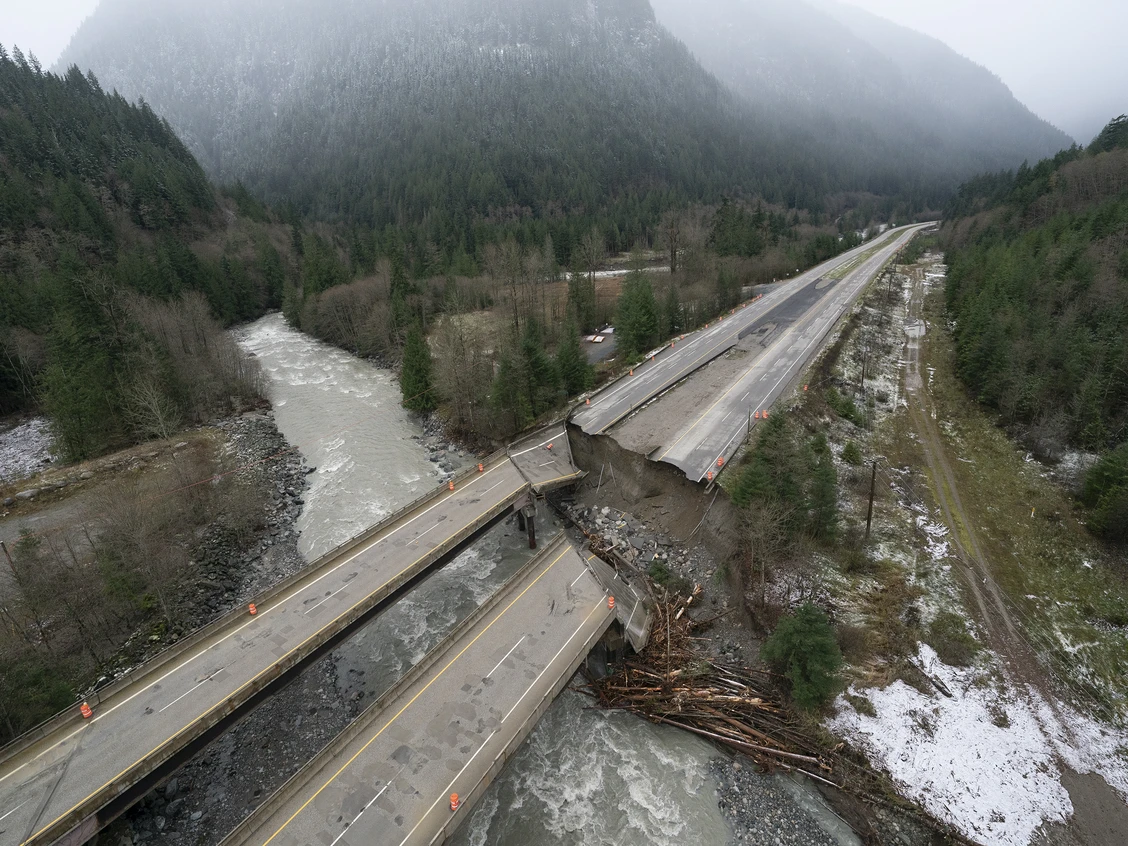
Meanwhile, a new national report has underscored the escalating financial burden of climate-driven disasters in Canada. The analysis found that billions of dollars in direct and indirect costs associated with floods, wildfires, extreme heat events, and storms are placing unsustainable strain on public finances, insurance systems, and local infrastructure. Beyond immediate damages to homes, roads, and utilities, the report highlighted hidden costs such as lost productivity, health care expenditures, displacement impacts, and long-term rebuilding obligations. Analysts warn that without substantial investment in adaptation and resilience measures, disaster-related spending will continue to balloon, outpacing government capacity and increasing fiscal risk exposure at both provincial and federal levels.
In British Columbia, the BC Centre for Disease Control (B.C. CDC) is seeking input from residents experiencing climate-related health concerns. The agency is collecting feedback on issues such as heat stress, wildfire smoke exposure, respiratory conditions, mental health strain following extreme weather events, and access to cooling or clean air resources. Public health officials say the information will inform future planning, resource allocation, and emergency response strategies as climate impacts become more frequent and severe. By incorporating lived experiences into policy development, the B.C. CDC aims to better align health systems with emerging environmental risks.
Collectively, this week’s developments illustrate the interconnected nature of climate policy, global diplomacy, economic resilience, and public health. Decisions made at provincial and international levels continue to shape how governments balance emissions reduction goals with affordability, infrastructure readiness, and community well-being.