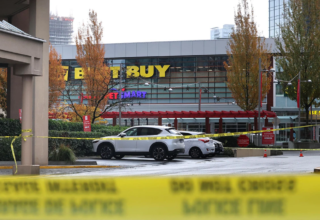
More than seven months after the Lapu Lapu Day tragedy in East Vancouver, a makeshift memorial continues to stand at the site, a solemn reminder of the lives impacted and a gathering point for collective mourning. Flowers, candles, handwritten notes, and small tokens of remembrance remain carefully arranged, reflecting the depth of grief felt across the Filipino community and beyond. What began as an immediate response to loss has evolved into a symbol of resilience, unity, and an urgent call for something the community has long sought: a permanent cultural home.
Community leaders say the tragedy has intensified a decades-long campaign to establish a dedicated Filipino cultural centre in Vancouver. For many, the absence of a central space has made the healing process more fragmented and difficult.
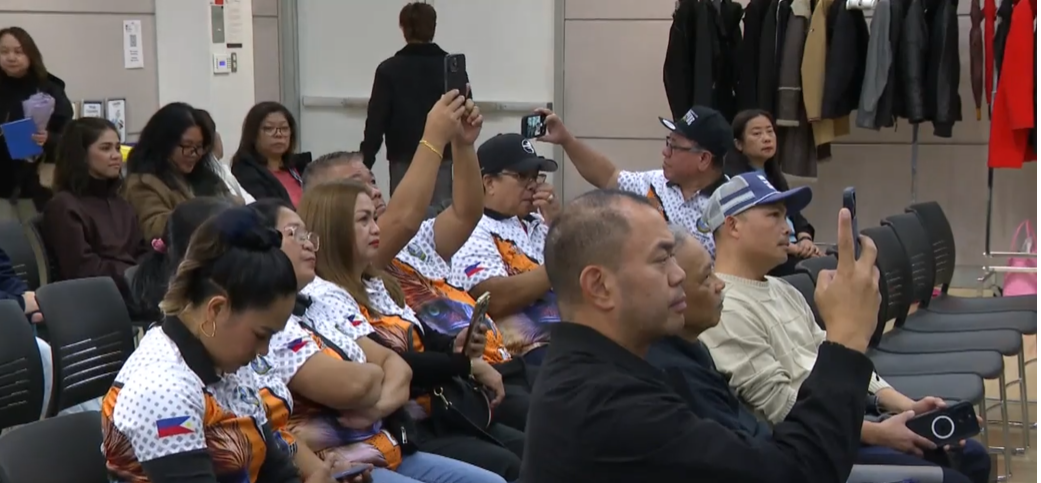
“Perhaps if we had a home, things might have been a little bit different in this healing process,” Warren Dean Flandez of the Filipino Legacy Society told Global News. His comment underscores a broader sentiment that while community solidarity is strong, infrastructure to support cultural programming, trauma-informed gatherings, and intergenerational dialogue has been limited.
In response, momentum around the cultural centre proposal has accelerated. All three levels of government — municipal, provincial, and federal — have publicly acknowledged the importance of such a space, recognizing both the demographic significance and historical contributions of the Filipino community in British Columbia. The private sector has also stepped forward with a tangible offer: a substantial footprint within a new mixed-use development.
A development application is currently before the City of Vancouver to redevelop the corner of Main Street and East 4th Avenue. The proposal would transform the site into a 30-storey hotel tower. Critically, the first six floors — approximately 60,000 square feet — would be dedicated to a Filipino cultural centre. Planned components include flexible event spaces for community gatherings and performances, an art gallery to showcase Filipino artists and heritage exhibitions, and licensed child care facilities to support working families.
From an urban planning perspective, embedding a cultural institution within a high-density, transit-accessible corridor aligns with Vancouver’s broader mixed-use development strategy. It integrates cultural infrastructure with commercial viability, potentially creating a sustainable model for long-term operations. However, community advocates stress that design, governance structure, and programming autonomy will be essential to ensure the centre authentically reflects Filipino identity rather than functioning as a token amenity within a commercial project.
The renewed push comes at a time when Filipino Canadians represent one of the fastest-growing immigrant communities in the province. Despite this growth, there has never been a purpose-built cultural hub dedicated specifically to preserving and promoting Filipino heritage in Vancouver.
For many families who continue to visit the makeshift memorial, the proposed centre represents more than bricks and mortar. It symbolizes belonging, visibility, and institutional recognition. As conversations advance at City Hall and across government tables, the community’s message is clear: remembrance must be matched by action. The tragedy exposed vulnerabilities, but it has also galvanized resolve. A permanent cultural centre is now seen not only as a celebration of heritage, but as critical civic infrastructure for healing, connection, and future generations.
Show your businesses to the Filipino Community in British Columbia and the world